
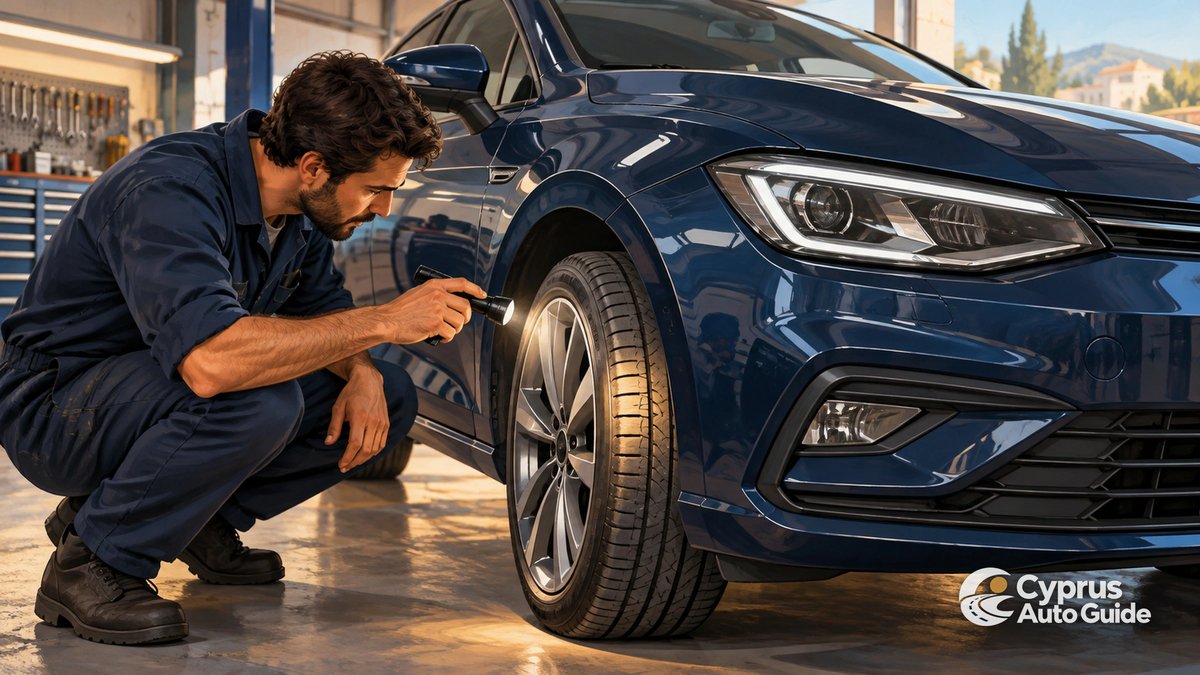
Agree The Inspection You Are Buying
Ask an independent workshop what its pre-purchase inspection covers, how long it needs and whether you receive a written report. Confirm whether the quotation includes a road test, a lift inspection, diagnostic scanning and checks specific to the model. A visual check cannot answer the same questions as a detailed examination.
Give the inspector the advert, VIN, registration history and the seller's statements about repairs. Ask them to identify matters that require specialist diagnosis rather than guessing from a symptom. This checklist is a way to commission professional work, not an instruction to dismantle a vehicle yourself.
Documents And Identity
Before the appointment, compare the VIN on the car and registration certificate. Collect service invoices, previous inspection records and import documents where applicable. Record the odometer unit: an imported car's older history may use miles even when the advert quotes kilometres.
Ask for the manufacturer's maintenance schedule for that exact engine and transmission. “Full service history” is a description to verify against dated records, not a substitute for them. Ask the relevant manufacturer representative to check outstanding recalls by VIN.
An MOT pass records the outcome of a statutory inspection. It does not establish ownership, outstanding finance, service history or the absence of developing mechanical faults. This is an editorial distinction, not a quoted government warranty statement.
The roadworthiness guide explains the separate statutory inspection.
Exterior, Underside And Tyres
Ask the workshop to report on structural corrosion, signs of repairs, fluid leaks and damage underneath. Paint differences or uneven panel gaps are reasons to investigate, not proof by themselves of a particular accident. Underbody inspection should use proper workshop equipment; do not crawl under a car supported only by an emergency jack.
Check all tyres, including any spare, for specification, wear pattern, sidewall damage and age markings. Michelin's tyre guidance explains tread-wear indicators and the value of professional examination. A tyre with visible tread can still need assessment for other damage. Use vehicle-manufacturer specifications and applicable local requirements, not a seller's assurance that the tyres “look fine”.
Cabin, Controls And A Safe Road Test
Operate the air conditioning, lights, windows, locks, seat adjustments and infotainment features that matter to you. Ask the inspector to assess warning lights and diagnostic findings. A fault code is a lead for diagnosis; an empty scan does not prove the absence of every fault.
Only road-test the car with the seller's permission, valid entitlement and appropriate insurance. Use a lawful route and normal driving. Leave assessment of braking, steering, suspension noise and transmission behaviour to someone qualified to interpret them. Do not create hazardous manoeuvres to test a vehicle.
Hybrid And Electric Vehicles
For an electrified car, request a model-appropriate battery assessment and evidence of remaining warranty, service and recall status. Check charging equipment, connector compatibility and included cables. An estimated range display is not a battery-health certificate. Read the hybrid and EV guide before deciding which checks to commission.
Turn Findings Into A Purchase Decision
Ask for four categories: safety work before use, near-term repairs, routine maintenance and optional cosmetic work. Obtain written repair estimates where they affect your offer. Decide whether you are accepting the defect, requiring repair before sale or walking away.
Keep the report with the purchase documents. Ask the inspector to explain limitations and inaccessible components. The report reduces uncertainty; it cannot guarantee future reliability. Seller obligations also depend on whether you buy from a trader or private individual.