

Immediate danger or injury
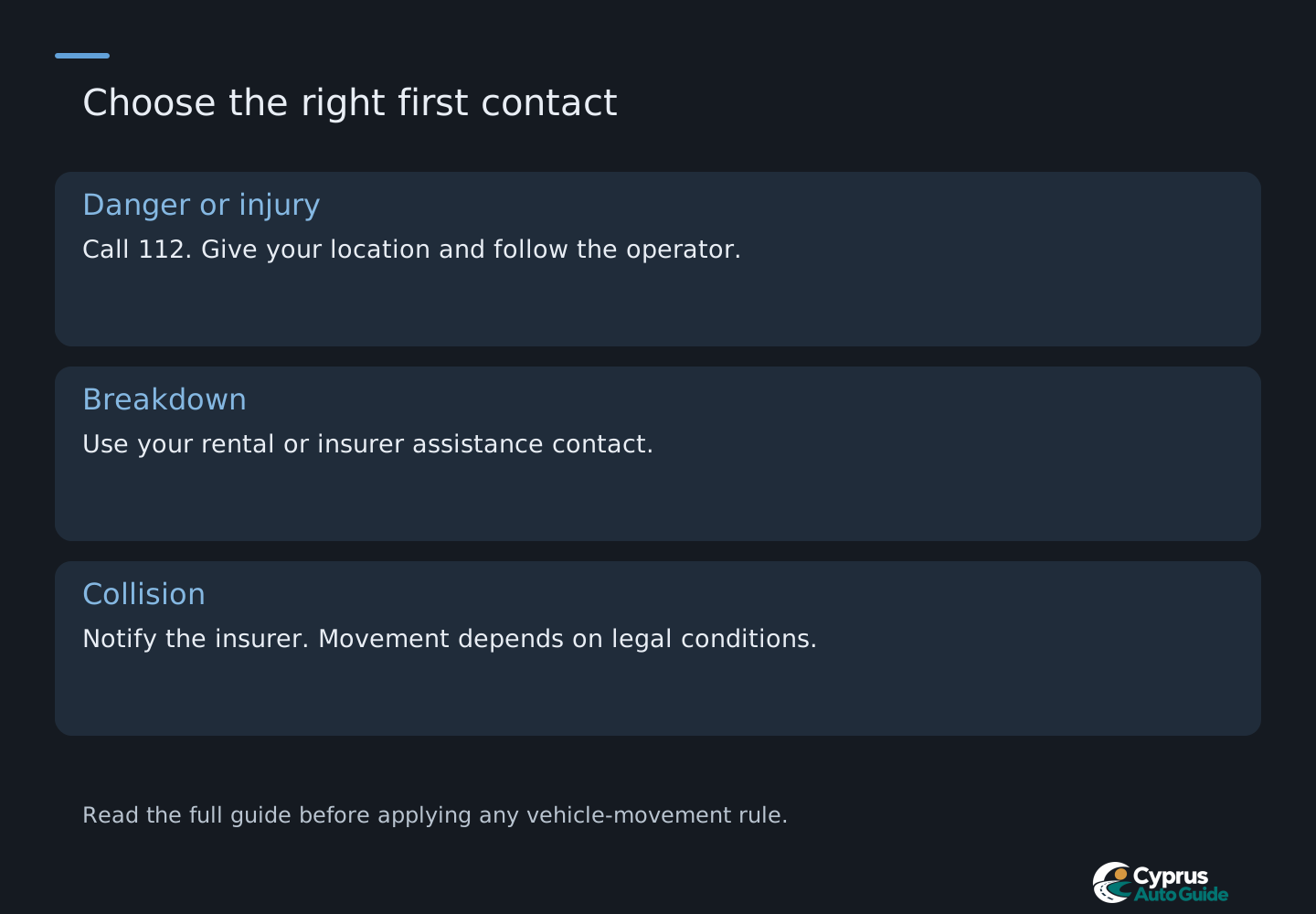
Call 112 for an emergency. Give the road or nearby landmark, travel direction, vehicle registration, number of people involved and any injuries, fire or traffic obstruction. Explain if you cannot reach a safe position. Follow the emergency operator's instructions rather than delaying the call to gather photographs.
Do not step into moving traffic, attempt a hazardous repair or approach a fire. Whether it is safer to exit, remain in the vehicle or move it depends on the circumstances. If you cannot leave safely, tell the operator. Do not move an injured person unless immediate danger requires it or emergency personnel instruct you.
If the vehicle breaks down
Where it is possible and safe, use the hazard lights and reach a safe stopping position. Cyprus Police's motorway advice describes careful use of the emergency lane and exiting away from traffic when safe. Do not cross live lanes or place warning equipment where doing so exposes you to traffic. Ask police for help if the position is dangerous.
Call the rental supplier's or insurer's designated assistance service. Explain the symptoms and follow its instructions about recovery. Confirm who authorizes towing, the destination, any charges and arrangements for passengers. A recovery booking does not automatically include a replacement car or onward travel.
For example, Hertz Cyprus directs customers to its designated assistance service and asks them also to notify the rental office. Use the current number supplied with your own rental. Another company's helpline or the booking platform may not be able to authorize your recovery.
Collision without apparent injury: the conditional movement rule
Cyprus Police explains a 2026 legal change requiring vehicles to move off the road to the nearest suitable point when there is no apparent bodily injury, police presence is unnecessary, the vehicles can move without towing or further damage to themselves or the road, and movement is reasonable in the circumstances.
Before that movement, drivers must immediately notify their insurer, exchange names, policy and driving-licence numbers, vehicle details and telephone numbers, photograph the final positions, registrations, damage and surroundings, and exchange the photographs and send them to the insurer's designated person. Do this without exposing anyone to danger. If you cannot safely complete the steps or are unsure whether police are needed, contact police for instructions.
The statutory procedure does not apply if an uninsured or government vehicle is involved, or if a driver leaves the scene. Contact police for instructions in those cases. This is not an instruction to move every crashed vehicle. After moving, do not park dangerously or obstruct traffic. Police advises consulting the insurance representative before leaving the nearby stopping point entirely. Notify the rental supplier as well and follow the contract's reporting process.
Keep the next steps clear
Record witness contacts when safe, the assistance reference and the instructions received. Describe observations accurately; do not guess about fault or sign an account you do not understand. Keep personal details out of public social posts.
Save the road rules guide, check your insurance arrangements and keep the rental protection terms accessible. The damage dispute guide explains the evidence needed if a later charge is challenged.